

Estimated Reading Time: 7 Minutes
Selling your property in Costa Rica while living in another country can feel like a tropical breeze… until reality hits. Between legal requirements, access issues, missing documents, and the classic “Who can open the house for showings?”, the process can quickly turn into a challenge.
You have bought a property in Costa Rica and for some reason moved elsewhere. Now you want to sell your property here, but you won’t be in the country while it’s being sold. If you’re a remote seller, this guide will help you understand exactly what you need, what can go wrong, and how to avoid delays that could cost you time and money.
Costa Rica’s real estate market is unique. Buyers expect fast responses, easy access for showings, and complete documentation. When you’re thousands of miles away, any missing piece becomes a roadblock.
This article is your warning — in the friendliest way possible: If something is missing, replacing it from abroad is slow, expensive, and sometimes impossible.

1. Gather Complete Property Information Before Listing
Your real estate agent needs accurate, updated details to create a strong listing. Missing information weakens your marketing and reduces buyer interest.
Essential property details include:
Your agent needs:
- Exact location (not vague directions).
- Folio Real (property registration number).
- Registered owner’s name and ID/passport or corporate ID.
- Cadastral survey (plano catastrado).
- Zoning / land use (especially for raw land).
- Access instructions: keys, gate codes, alarm details.
- Property details: services, topography, servitudes, access roads, restrictions.
About zoning
Each municipality has different requirements. Zoning may require:
- Water availability letter.
- INVU river setback.
- Preliminary architectural plans.
- Municipal forms and stamps.
Without zoning, buyers cannot confirm what can legally be built.
2. Decide Who Will Open the Property for Showings
This is the most overlooked step for remote sellers — and the one that causes the most delays.
Your options:
- A family member
- A neighbor
- Your real estate agent (if feasible)
- A property manager
- A caretaker or watchman
They must have:
- Keys
- Alarm codes
- Gate remotes
- Clear instructions
- A reliable schedule
No access = no showings. No showings = no sale.
3. Legal Requirements You Must Have Ready
Costa Rica has strict legal requirements for property sales. Missing even one document can delay closing for weeks.
Mandatory documents include:
- Certificación literal from the National Registry
- Plano catastrado (property map)
- Uso de suelo or zoning (for raw land)
- Municipal tax solvency
- Luxury tax solvency (if applicable)
- Water letter (for raw land)
- Setback from a river or creek if there is one on the property (INVU)
- Condominium solvency letter from the administration
- Condominium financials
- Seller’s ID (passport or DIMEX)
- Power of attorney if you won’t attend closing
- Utility solvency letters (electricity, water, etc.)
If any of these are outdated or missing, replacing them from abroad is complicated and time-consuming.
4. Make Sure All Taxes and Municipal Obligations Are Paid
Before selling, everything must be current:
- Property tax.
- Garbage and street lighting fees.
- Luxury home tax, if applicable.
- Corporate tax, if the property is owned by a company.
If any of these are overdue, the closing cannot proceed.
5. If Your Property Is Owned Through a Costa Rican Corporation
Many foreign sellers own property through a Costa Rican corporation (S.A. or S.R.L.). This adds an extra layer of requirements.
You will need:
- Personería jurídica which shows who have the powers of attorney of the corporation
- Updated shareholder registry
- Corporate books (physical books)
- RTBF compliance (Registro de Transparencia y Beneficiarios Finales)
- SUGEF/SICVECA compliance if applicable
- Legal representative’s ID
- Power of attorney for the representative
- Corporate tax paid
If any corporate documents are missing, replacing them from abroad is extremely difficult without a lawyer physically present.
5. Work With a Real Estate Agent Experienced in Remote Transactions
Not all agents are equipped to handle remote sellers. You need someone who understands:
- Digital signatures
- Virtual tours
- WhatsApp, SMS, and email communication
- Coordination with property managers
- Corporate-owned property requirements
- Power of attorney processes
- Foreign buyer expectations
A strong agent becomes your eyes, ears, and boots on the ground — essential when you’re abroad.
6. What to do with the proceeds of the sale
The safest and most efficient way to handle your sale proceeds is through escrow. After closing, the escrow company can wire the funds wherever you instruct.
If you have a Costa Rican bank account, the funds can be sent there. If you don’t have a local account, simply provide escrow with:
The name of the beneficiary
The bank account details (including SWIFT and bank address)
Escrow can also split the proceeds—paying part to you, part to a Costa Rican account, or directly settling taxes, HOA fees, or mortgages if you request it.
The biggest advantage of using escrow is compliance: They must verify the source of funds from the buyer, ensuring the money is clean and not connected to money laundering or terrorism. This protects both the buyer and the seller and keeps the transaction fully legal.
7.Should You Travel for Closing or Give Someone a POA?
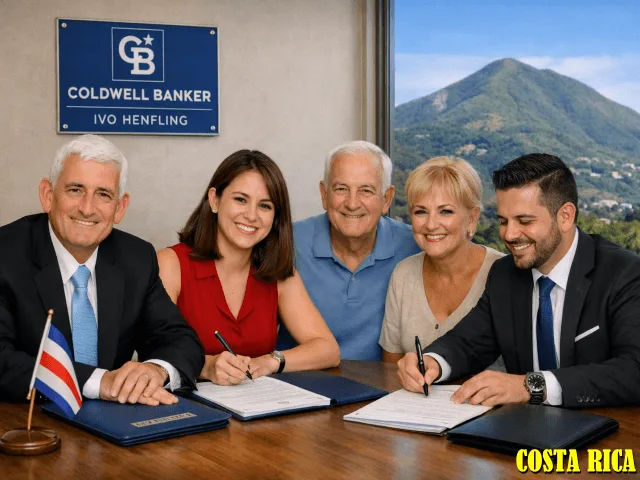
If everything is prepared correctly, you don’t need to travel. Most foreign sellers simply give a special power of attorney (POA) to a trusted person or attorney so they can sign the closing documents on their behalf.
Travel only makes sense if:
- You want to sign personally
- You need to handle banking issues in Costa Rica
- You prefer to meet the attorney or buyer in person
Otherwise, a properly drafted and registered POA is faster, cheaper, and completely valid for closing.
8. Why You Should Price It Right
Pricing your property correctly from day one gets you more showings, faster offers, and a stronger negotiating position. Overpricing makes your listing sit, creates a negative digital footprint, and forces you into price reductions that make buyers think something is wrong. The right price attracts serious buyers immediately and leads to a cleaner, quicker sale — especially when you’re living abroad.
9. Hire Many Agents or Sign an Exclusive?
When you live outside Costa Rica, hiring multiple agents creates confusion, inconsistent pricing, mixed photos, and a damaged online footprint. Buyers see the property listed everywhere and assume something is wrong.
An exclusive listing gives one professional full responsibility: consistent marketing, accurate information, controlled showings, and a clean negotiation process. It keeps your property organized, credible, and easier to sell — especially when you’re not here to manage the chaos. Contact us now to list your property.
9. Inheritance
In case of inheritance, proof from a Costa Rican court (not anywhere else) is necessary that you are the legal executor of the estate. Proof from a US or other court is NOT enough, the case has to be registered by the Costa Rican authorities UNLESS you show as owner of the Corporation that owns the property (endorsed shares and full powers of attorney). Or if a Costa Rican will shows you as the legal executor.
10. Expect the Unexpected (Because It Will Happen)
When selling from abroad, surprises are guaranteed:
- Keys don’t work
- The caretaker disappears
- The municipality requests a new document
- Corporate books are missing
- The buyer wants a showing today
- The water letter expired
- The lawyer needs your signature immediately
Preparation turns these into minor bumps. Lack of preparation turns them into roadblocks.
Selling From Abroad Is Possible — But Only If You’re Prepared
Selling your Costa Rica property while living abroad is absolutely doable — and thousands of owners do it every year. But success depends on organization, legal readiness, and a reliable team on the ground.
If anything is missing — documents, access, corporate paperwork, or a person to open the house — the process becomes slow, frustrating, and sometimes impossible.
With the right preparation and the support of a professional Coldwell Banker agent, you can sell smoothly, confidently, and without unnecessary stress.
I am Ivo Henfling, the founder of GoDutch Realty, now with Coldwell Banker, widely regarded as the leading real estate authority in Costa Rica. Did you enjoy my topic today? Then feel free to leave your comments on this blog, share it on your social media, or contact me to purchase a property. Would you like a Zoom meeting with me?