

Estimated Reading Time: 6 Minutes
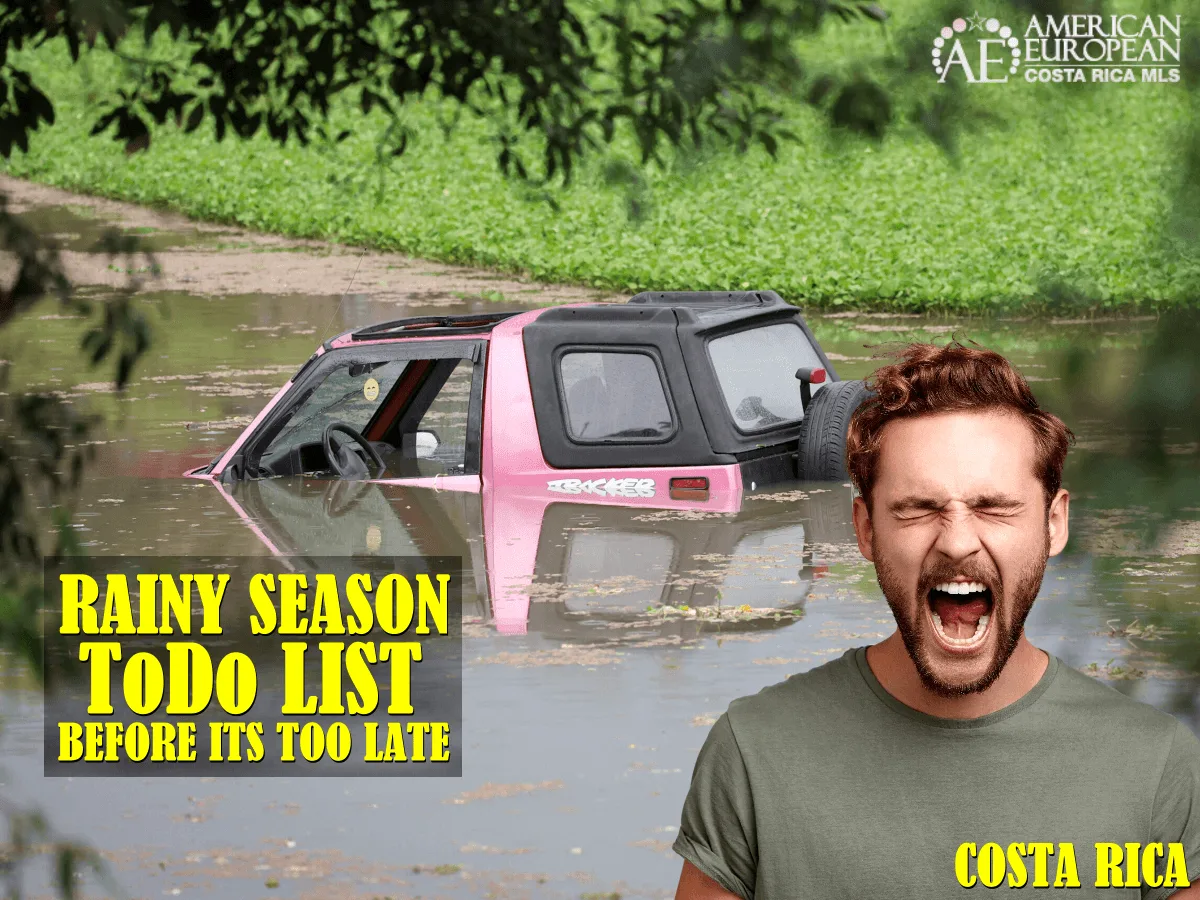
Today, I’m going to give you a rainy season ToDo list. It is now April, and the rainy season in Costa Rica starts soon. As usual in Costa Rica, we are having a beautiful summer. I’m sure you know all about our famous microclimates. But the weather in Costa Rica is changing, as it is elsewhere in the world, and we are having more rain than before.
Most property owners here don’t realize how much damage rain can cause. Because when it rains, and unless you are on a hillside, much of the Costa Rican soil doesn’t drain easily. I have seen whole walls wash away in a single rainstorm, and Costa Rica also has a few flood-prone areas. Rivers fill up with trash, and whole neighborhoods can get flooded during the rainy season.
When is the green season?
The green season, which we not only call the Costa Rica rainy season but also “winter, goes from May to November. This coincides with the Atlantic hurricane season, and we are usually hit by the tails of hurricanes up north. Our Caribbean coast gets more rain throughout the year. But when the rest of the country is hit by rain in September and October, there is very little rain on the Caribbean side. So if you plan to get away from the rain during those months, you can do so by driving only a few hours. Just send me an email, and I’ll hook you up with our Caribbean affiliate partners for a nice vacation home at great prices!

Costa Rica Rainy Season To-Do list
- Set a reminder: Since this repeats every year, set an appointment on your phone calendar for the 1st of June. Then set it to recur yearly, and copy/paste the following rainy season To-Do list into it.
- Get the right tools: Check that you have the proper tools so your gardener can do a good job. You will need a ladder, gloves, a trowel, buckets, and a garden hose with a nozzle.
- Repair inventory: Check whether you have replacement tiles for a barrel tile roof. If you have a metal roof or another material, make an inventory of the damage and purchase what is necessary. Keep some in reserve if you have good storage.
- Replace what’s broken: Check your roof for broken tiles, sun-cracked plastic roof covers, and skylights.
- Pay attention to soffits and fascia: See if your roof needs a paint job or can survive another rainy season. Pay special attention to your soffits and fascia. Here is a blog with a few tips about signs of roof damage.
- Powerwash: Clean all your gutters and downspouts and repair them when necessary. I have never seen the gutters screens shown in this video in Costa Rica, but it is pretty easy to do it the MacGyver way, as we do things here.
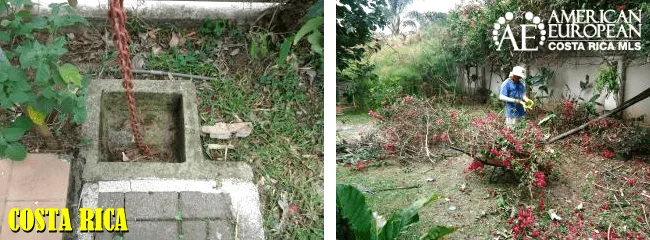
- Pay attention to gutters and ditches: Clean the drain boxes and gutter system in your gardens to ensure they aren’t clogged and that water drains easily. Also, check if the municipal storm ditches outside your property are clean. If there are no ditches or gutters, as in the photos, complain to your municipality or build them yourself.
- Clear the garden: Cut back your entire garden, plants, trees, and anything that grows close to the house, so it won’t cover your gutters, because once the rains start, things grow a lot faster than you’d think. It’ll also keep the mold from getting into your walls.
- Water run-offs: If you are on a hillside and you have a neighbor above you, walk the fence. Check for any signs that rainwater from your neighbor will be blocked on your property and wash away the soil. Also, check at the bottom of your property if the water can flow well to the neighbor below you, and the rainwater won’t create any landslides.
- Gate entrance: Check the gate to the entrance of your property, make sure the opening mechanism is well-oiled, and the roof above your gate is not leaking.
- Windowsills: Check where rain will hit your windows and window sills, and see if they need any paint or repair, so water will not cause any damage.
10-Minute Rainy Season Inspection Checklist
If you already have a home, use this checklist. If you don’t, you can shop for a new home with our agents or buy land to build your new house on. Walk around your property once, and mark anything suspicious.
⏱️ Minute 0–2: Inside Ceilings & Walls
☐ Brown/yellow ceiling stains
☐ Bubbling paint on walls
☐ Musty smell in rooms or closets
☐ Corners with dark spots (early mold)
☐ Around the windows feels damp
If you see any of these → likely leak above.
⏱️ Minute 2–4: Roof (from ground if needed)
☐ Missing or slipped roof tiles
☐ Metal roof screws loose or rusty
☐ Sagging gutter sections
☐ Leaves piled in roof valleys
☐ Branches touching the roof
⏱️ Minute 4–6: Gutters & Drainage
☐ Gutters full of leaves/dirt
☐ Downspouts blocked
☐ Water stains on exterior walls
☐ Dirt washed away near the foundation
☐ Puddles where water should drain
⏱️ Minute 6–8: Exterior Walls & Ground
☐ Cracks in walls (vertical or stair-step)
☐ Peeling exterior paint
☐ Mold on outside walls (green/black)
☐ Soil higher than floor level
☐ Water flows toward the house

⏱️ Minute 8–10: High-Risk Areas
☐ Behind furniture touching walls
☐ Closets with no ventilation
☐ Bathroom ceiling humidity
☐ Laundry room dampness
☐ Electrical outdoor boxes exposed
🚨 If you find ANY of these — fix it before rain:
- Ceiling stains
- Blocked gutters
- Mold spots
- Water is pooling near the house
- Roof debris
These 5 cause 90% of rainy season problems in Costa Rica.
Now, with this rainy season ToDo list under your belt, you should be ready for the next rainy season in Costa Rica. Feel free to comment on this blog and share this article on your social media. Would you like to learn more about buying property in Costa Rica? Then request a Zoom meeting with me now.