

Estimated Reading Time: 5 Minutes
Quite a few communities in Costa Rica are not condominiums but agricultural communities. Therefore, they have no registered bylaws in the National Register, as condominiums do. Most have rules of cohabitation or similar, but there is no legal enforcement.
Readers often ask if this type of community can be changed into a more formal condominium where the HOA fees can be legally enforced, among other things. That’s because some neighbors don’t seem to see the need to pay the monthly community fees, which are usually relatively low. It is possible to turn such a community into a formal condominium, but only if 100% of the property owners agree.
1. What do those fees cover?
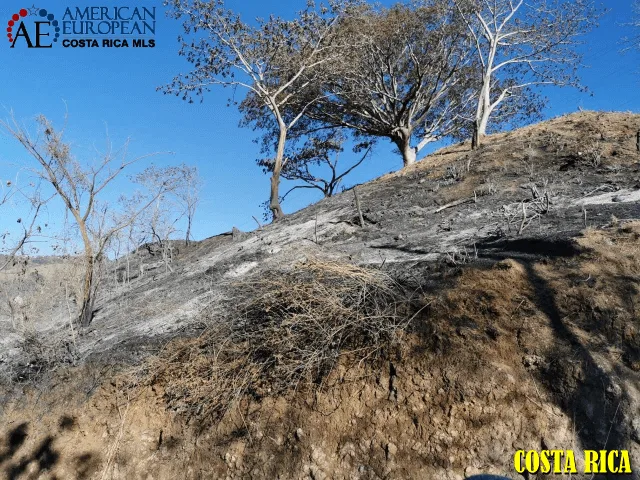
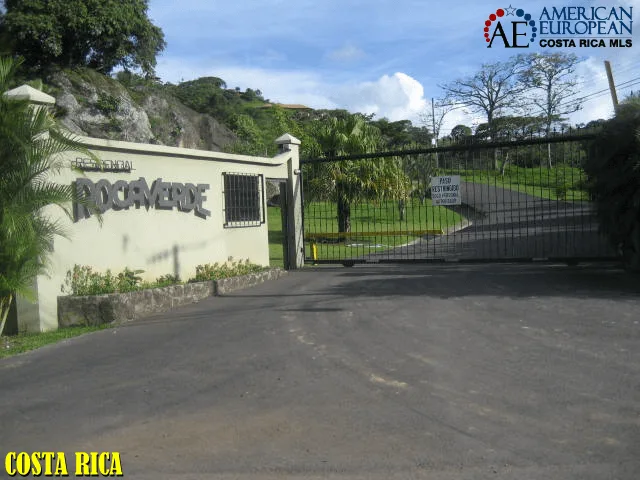
These communities are commonly called gated communities because they have a gate with a guard at their entrance. It’s also important to note that the municipality does NOT maintain the roads, gutters, or the shoulders. These communities have their own water source, usually a well, with a backup tank, run by the property owners and controlled by the Costa Rican water company. Some communities keep the grass short on unbuilt lots during the dry season to reduce wildfire risk.
Homeowners’ associations rely on regular contributions from residents to maintain shared spaces, provide essential services, and protect property values. But when an HOA operates without formal bylaws, collecting fees from nonpaying neighbors becomes significantly more complicated. Without legally enforceable rules or established procedures, board members must use strategy, diplomacy, and unified community action to encourage compliance.
2. Build Understanding and Transparency
The first obstacle to fee collection in an HOA with no bylaws is often a lack of clarity. Neighbors may not pay simply because they do not understand what the fees are for, how the money is used, or whether contributions are truly required. To address this, the HOA leadership should prioritize transparency.
Publishing a simple, easy-to-read budget helps neighbors see where their money goes, whether it’s for road and gate maintenance, security, and often even landscaping. Open meetings, financial reports, and cost breakdowns build trust and reduce suspicion. When people believe funds are well-managed, they are far more likely to contribute voluntarily.
2. Create a Sense of Shared Responsibility
Without bylaws, the HOA operates more like a cooperative agreement among neighbors than a legal authority. This makes social cohesion a powerful tool. Framing the HOA as a community effort—rather than a governing body—helps residents feel a moral obligation to participate.
Highlighting the benefits homeowners receive and the consequences of underfunded services reinforces the idea that everyone shares in both the costs and the outcomes. Some communities even create volunteer “maintenance days” or group initiatives; once neighbors invest time, they are more inclined to invest money as well.
3. Develop Consensus-Based Rules
Even without formal bylaws, a community can collectively establish expectations. Holding a neighborhood meeting to discuss and agree on informal rules can produce a clear, mutually accepted structure. These do not need legal teeth to be effective if the majority supports them.
The HOA can distribute a written summary of agreed-upon responsibilities, including dues, payment schedules, and expectations for participation. While these informal rules are not enforceable in court, they create social norms—one of the strongest motivators for compliance in small communities.
4. Use Positive Pressure Instead of Confrontation
Without bylaws or contractual obligations, the HOA lacks the tools to impose fines or pursue legal action. Therefore, the emphasis should be on positive persuasion rather than confrontation. Publicly recognizing contributing neighbors, offering small community perks, or maintaining a published list of current contributors can nudge late payers toward compliance.
Soft peer pressure is surprisingly effective when managed respectfully. Non-paying neighbors rarely want to be seen as the only ones not participating, especially if the tone is encouraging rather than punitive.
5. What if 4. doesn’t function?
Some homeowners prefer to take advantage of the situation and will do anything to save a buck. Here are a few options that often turn the non-paying neighbors into cooperating ones:
a) The water well is typically managed by the water committee, who are also neighbors, but water is charged to each user separately. The water committee is obliged to provide non-paying members with water from the well. But there is no obligation to supply the same water pressure as paying members. I’m sure you understand what I’m getting at.
b) The HOA must maintain the road throughout the community. Fortunately, there is no obligation to maintain the road and landscaping in front of the non-paying neighbor’s property.
c) The HOA pays the guard at the entrance of the community, so the homeowners do not have to worry about their security. Visitors of the non-paying neighbor may be required to call the person they are visiting to come pick them up at the gate. This is a riskier solution as the non-paying neighbor might mistreat the guard who has nothing to do with the issue.
d) Place signs along the road, on private property, that the owner of house number X is not a paying member of the community access road’s maintenance, and that the terrible maintenance in front of that property is not your fault.
Conclusion
Collecting HOA fees from non-paying neighbors without bylaws requires diplomacy, communication, and community-building rather than legal enforcement. By promoting transparency, fostering shared responsibility, establishing informal agreements, and applying positive social pressure, an HOA can encourage voluntary compliance even in a legally informal environment. I recommend using the options in #5 only in extreme cases.
Feel free to comment on this blog and share this article on your social media. Would you like to learn more about buying property in Costa Rica? Then request a Zoom meeting with me now.